Enhancing Daily Living with Intelligent Assistance
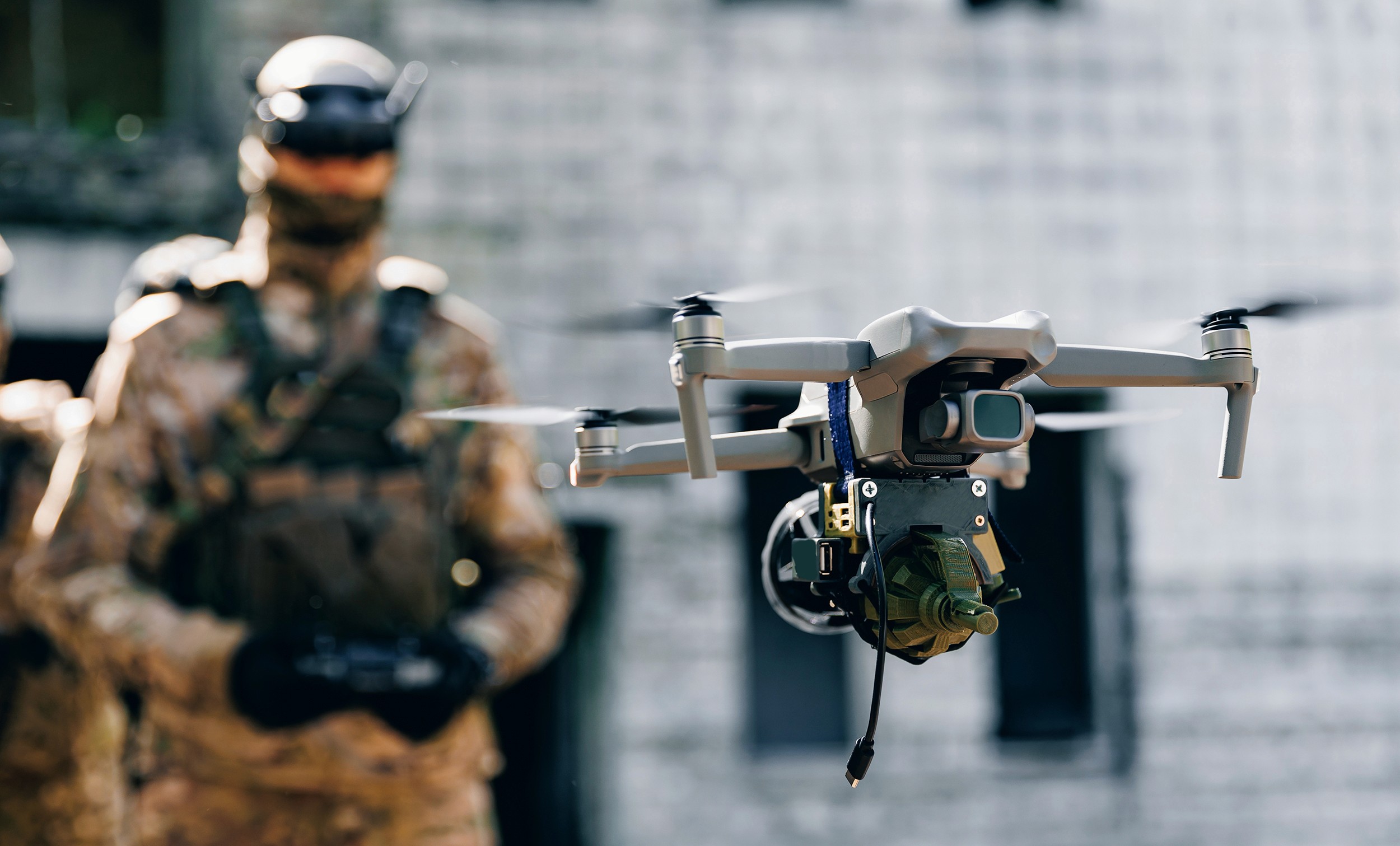
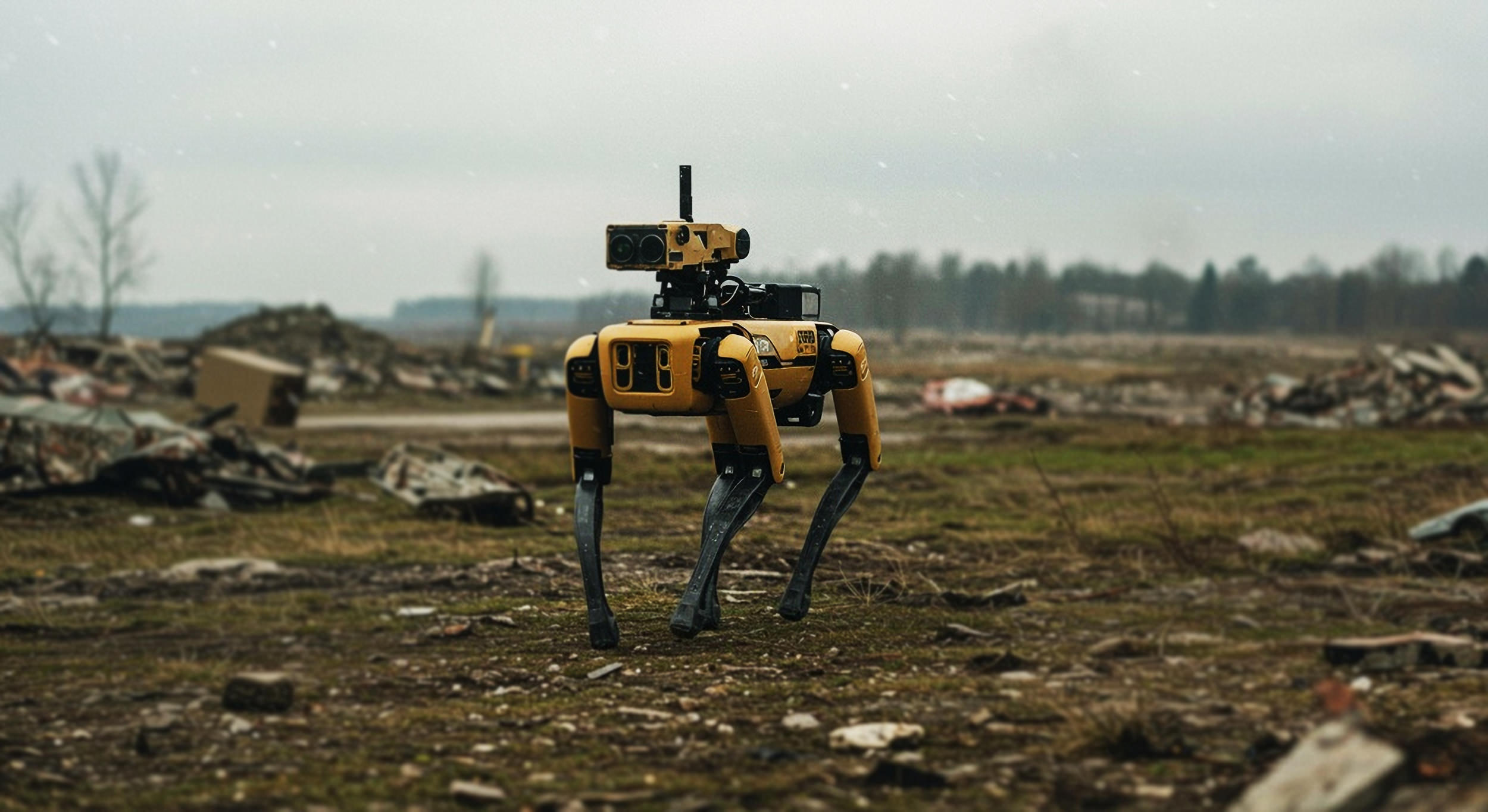
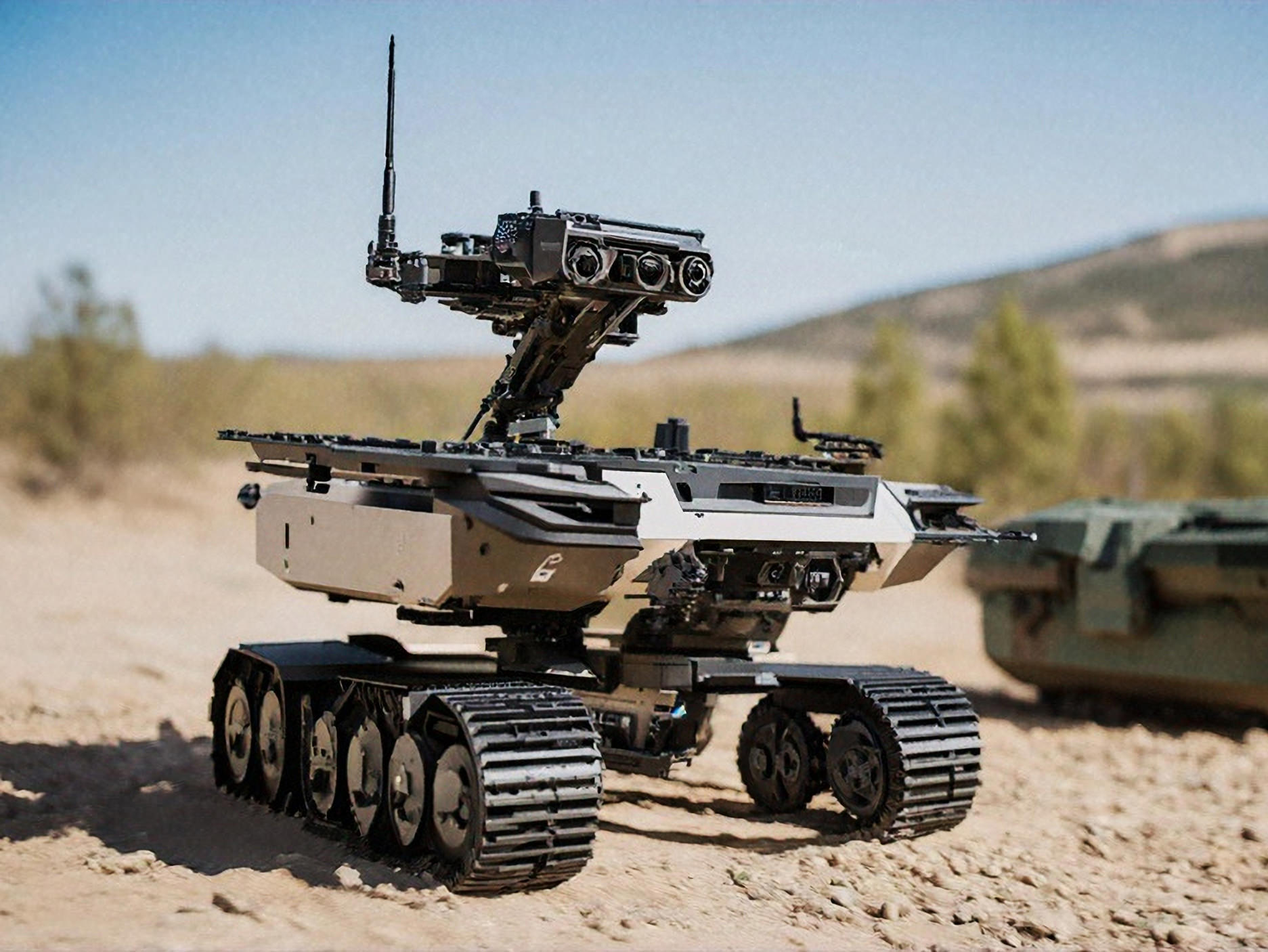
Modern military and tactical units are increasingly relying on robotic systems to operate in environments that are too dangerous for human soldiers. Robots designed for these missions are capable of entering enemy territory, detecting explosives, and conducting reconnaissance, all while keeping personnel at a safe distance. Equipped with advanced sensors, cameras, and communication systems, these machines can navigate rugged terrain and gather critical intelligence in real time. Their deployment has significantly reduced casualties and improved operational outcomes, especially in conflict zones where direct human involvement would be too risky.
Autonomous and Semi- Autonomous Systems
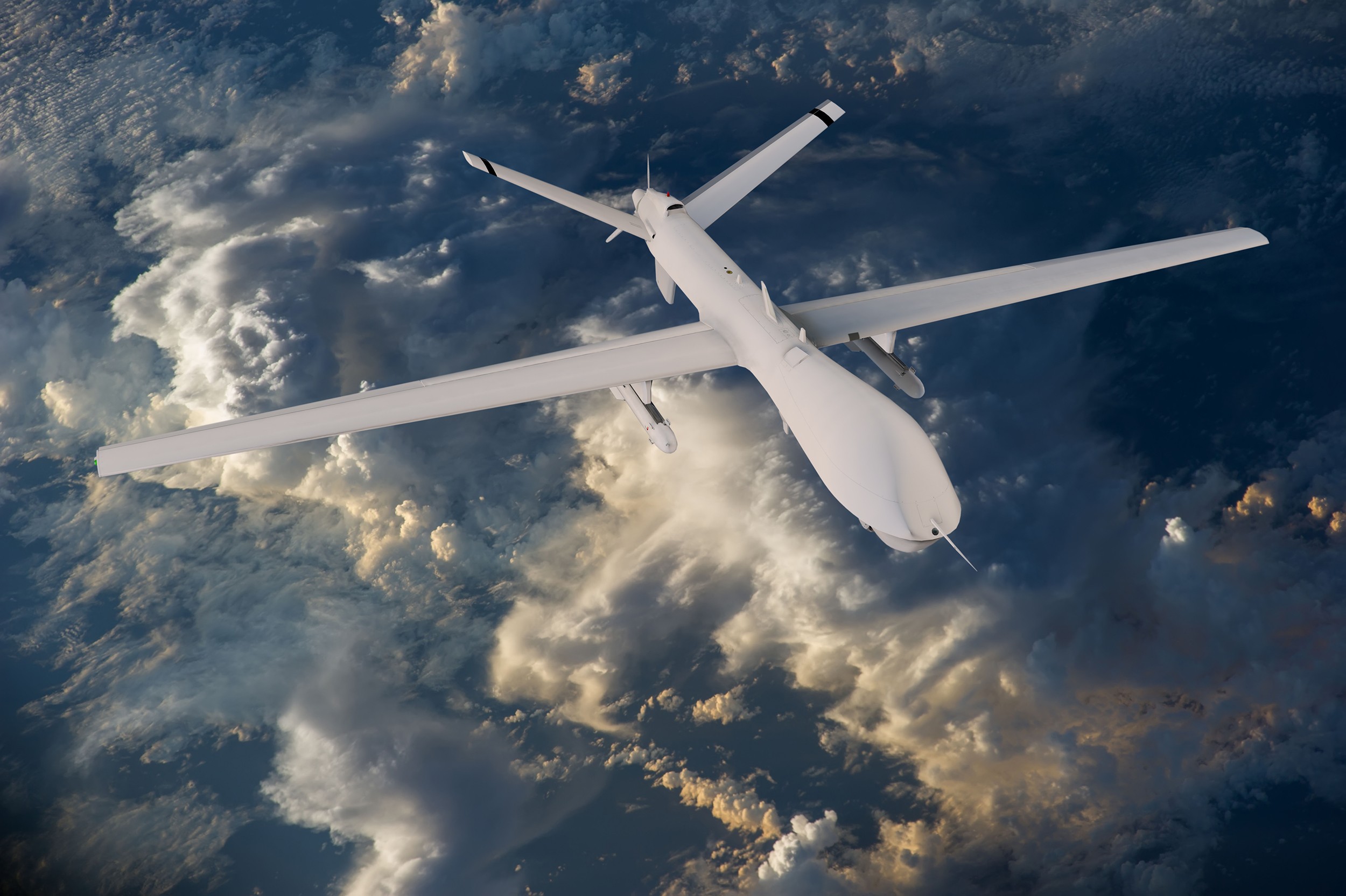
As artificial intelligence continues to evolve, military robots are becoming more autonomous. Semi-autonomous systems can follow commands while making real-time decisions based on environmental data, while fully autonomous units operate with minimal human input. These systems are particularly useful for surveillance, logistics support, and even limited combat roles. However, their use raises ethical and strategic concerns about decision-making in lethal force scenarios, prompting ongoing discussions around international regulations and accountability in warfare.
Key Takeaways
Force Multiplication
Robots enhance the capabilities of a single unit, allowing fewer soldiers to perform missions that would otherwise require a much larger force.Mission Efficiency and Speed
With faster decision-making processes and tireless operation, robots can carry out missions quickly and efficiently, reducing the time troops spend in hostile areas.Reduced Risk to Human Life
By taking on the most dangerous tasks, robots help to protect human lives, offering a critical advantage in high-risk tactical operations.