Enhanced Capabilities in High-Risk Environments
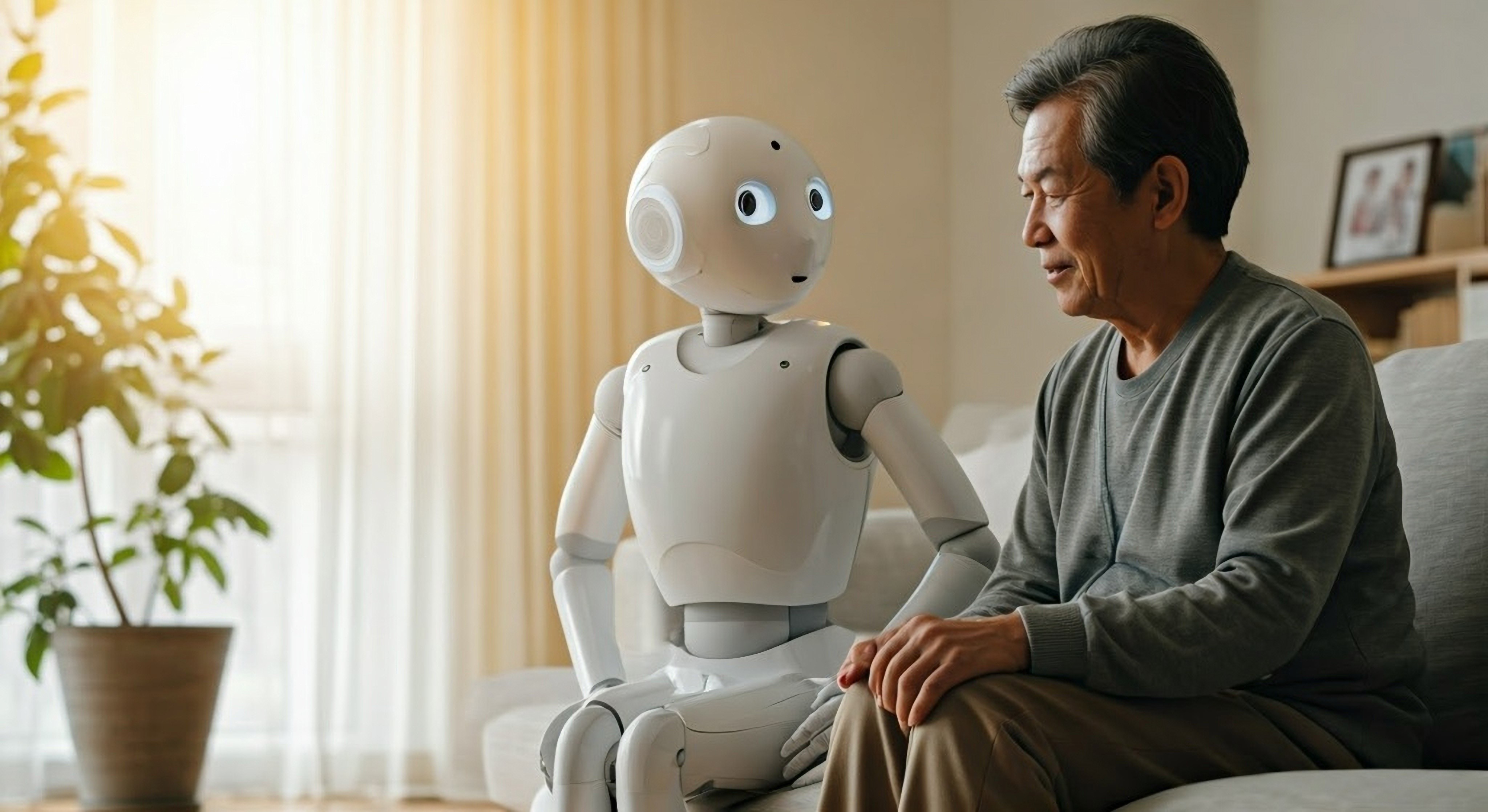
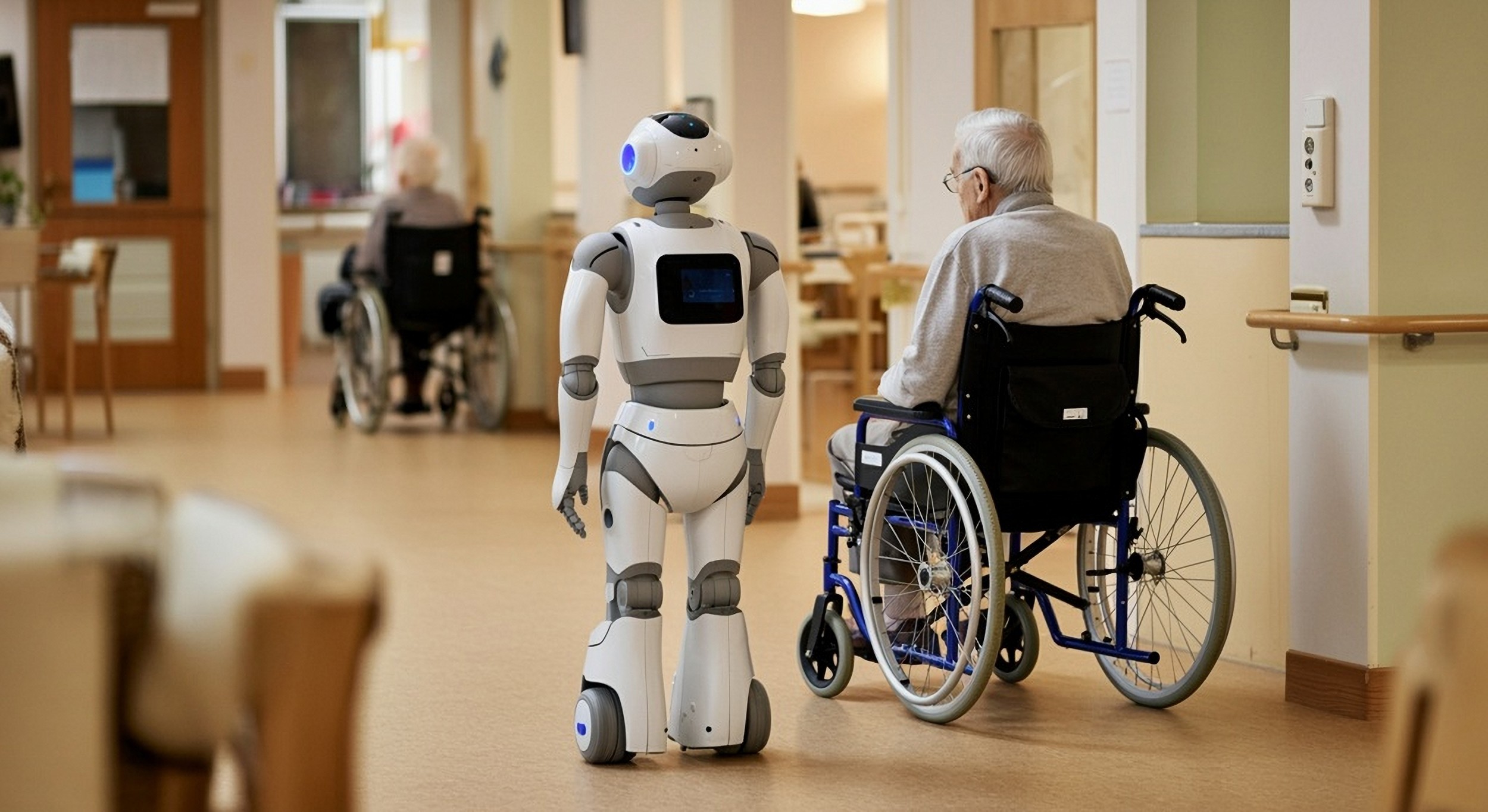
Assistive robots are transforming the lives of individuals with disabilities by offering greater autonomy and improving quality of life. These robots are designed to help with everyday tasks such as mobility, communication, feeding, and personal hygiene. For people with physical impairments, robotic arms or exoskeletons can provide support for lifting objects or walking. For those with cognitive or speech difficulties, interactive robots can assist with communication and reminders. By integrating sensors, voice recognition, and AI, these robots adapt to user needs and environments, promoting a sense of independence and dignity.
Autonomous and Semi-Autonomous Systems
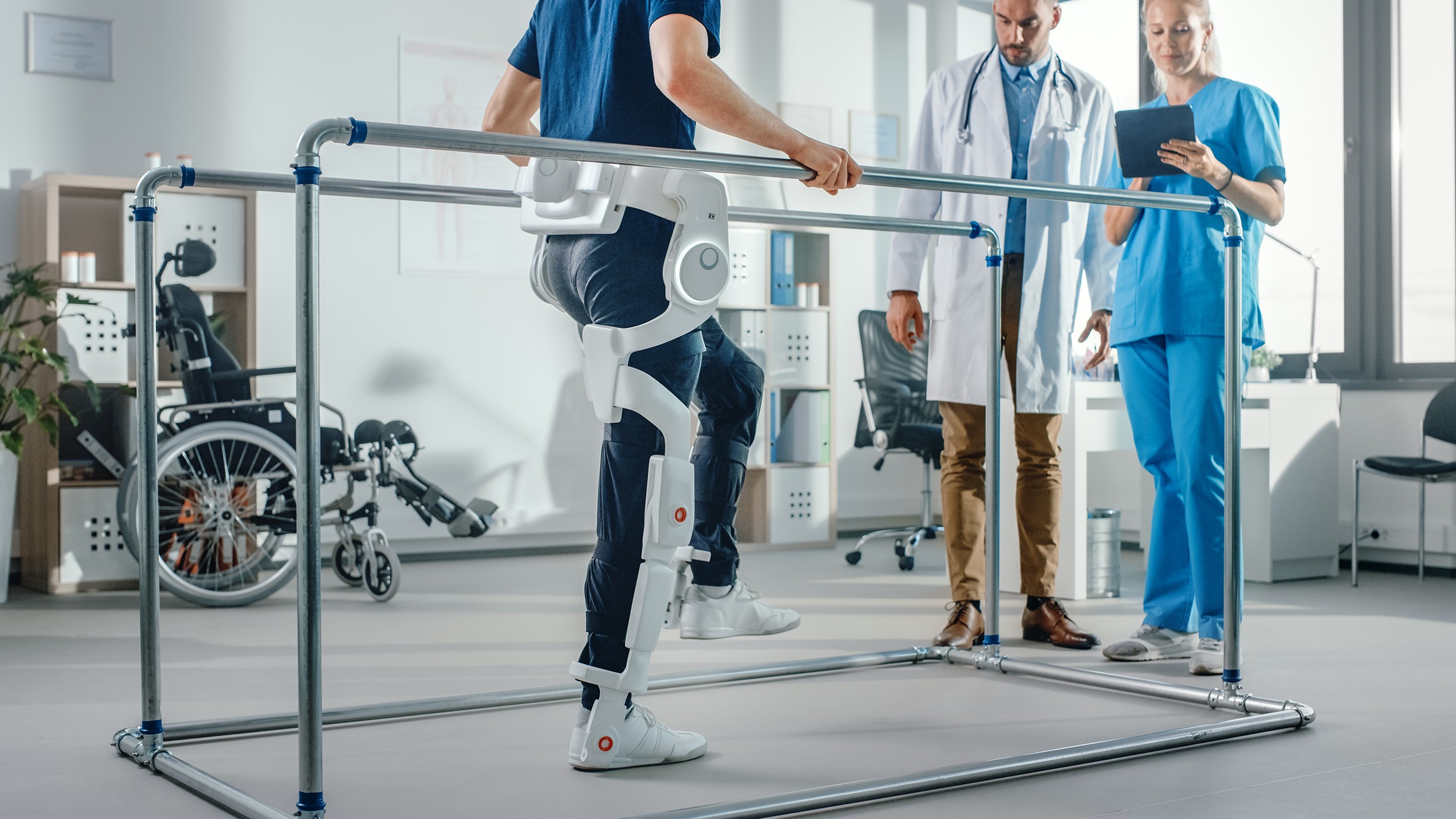
Beyond daily assistance, robots play a growing role in physical rehabilitation and therapy. Robotic rehabilitation systems use real-time feedback and motion tracking to guide patients through therapeutic exercises, ensuring accuracy and consistency. These systems can be customized for different disabilities and recovery stages, allowing for more personalized treatment. Additionally, socially assistive robots offer emotional support and companionship, reducing feelings of isolation and motivating patients to stay engaged in their care routines. This combination of physical aid and emotional interaction represents a major advancement in holistic disability support.

Key Takeaways
Increased Independence
Robots allow individuals with disabilities to perform daily activities on their own, reducing reliance on caregivers and enhancing self-sufficiency.Personalized Support
Assistive robots can be programmed to suit individual needs, adapting to changes in mobility, cognitive function, or communication ability over time.Improved Quality of Life
With assistance in both functional and social aspects, users experience a boost in confidence, safety, and overall well-being.